
How to Handle Chemical Engineering Lab Equipment Safely
Chemical engineering lab equipment lets students see unit operations at small scale. They run reactors, separate mixtures in columns, dry solids, and move fluids through pipes and pumps. These rigs use heat, pressure, and hazardous chemicals, so safe handling has to be part of the course from the first practical.
This guide covers how each main type of equipment is handled, the safety kit a lab should have, and the records that keep equipment safe over its working life. It is general guidance. Your institution's safety officer, the equipment manuals, and your local regulations always take priority.
What chemical engineering lab equipment includes
A teaching lab usually groups its rigs by topic:
- Reaction engineering: batch reactors, continuous stirred tank reactors (CSTR), and plug flow reactors, often with residence time distribution (RTD) studies.
- Mass transfer: distillation columns, absorption columns, dryers, crystallisers, and cooling towers.
- Momentum transfer: packed and fluidised beds, pipe flow, and drag studies.
- Mechanical operations: crushers, sieves, filter presses, and mixers.
- Process control: level, flow, pressure, and temperature control benches.
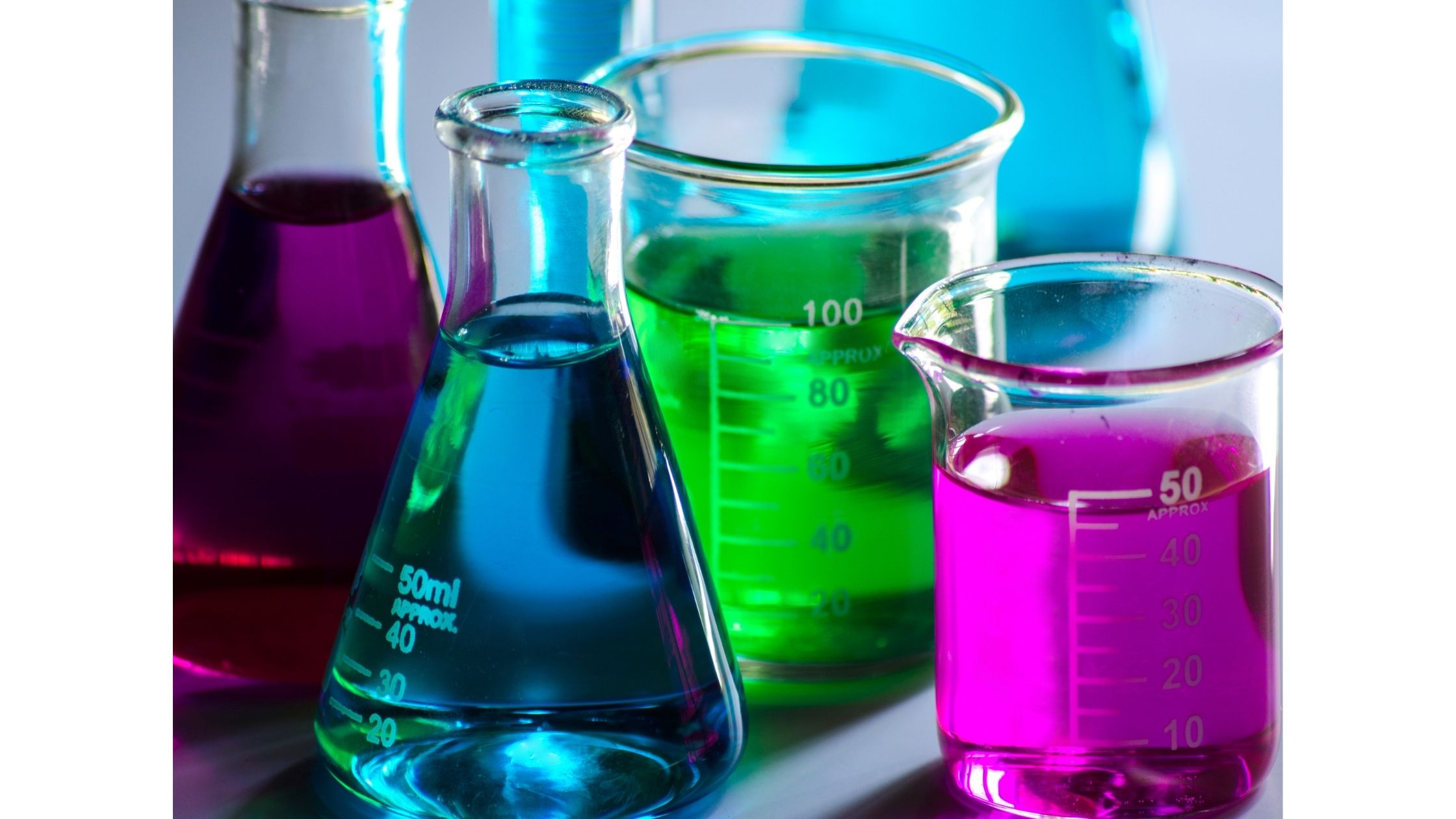
- Glassware and bench items: beakers, flasks, condensers, and burettes.
Each group carries different risks. The sections below take them in turn.
Handling chemical engineering lab equipment by type
Reactors
Reactors combine chemicals, heat, and stirring. Follow the rig manual for the exact start-up steps. Before a run, check that seals, valves, and the stirrer are sound. Fill only to the marked level. Start stirring before heating, so heat spreads evenly. Never leave a running reactor unattended, and let it cool before you open or drain it.
Distillation and absorption columns
Columns are tall, often glass, and run with hot liquids and vapour. Check the cooling water flow to the condenser before heating the reboiler. Watch the column for flooding or pressure build-up. Keep the area around the base clear, so spills do not reach heaters or wiring.
Dryers, evaporators, and heat exchangers
These rigs have hot surfaces and, in some cases, steam. Lag or guard hot pipes where students work. Use heat-resistant gloves when handling trays. Check steam traps and relief valves as the manual describes.
Crushers, mills, and filter presses
Moving parts are the main risk here. Keep guards in place and switch off at the isolator before clearing a jam. Dust from crushing can irritate lungs, so use local extraction or suitable masks as your safety officer advises.
Glassware
Inspect glass before each use. Chipped or cracked items can fail under heat, so remove them from service. For heating, use borosilicate 3.3 glass, the grade defined in ISO 3585. Never heat a closed vessel.
Safety equipment every lab should have
- Safety goggles for every person in the lab. Even a small splash can damage an eye. Many labs use eye protection rated to ANSI Z87.1 or EN 166.
- Lab coats and chemical-resistant gloves suited to the chemicals in use.
- Eyewash stations and a safety shower close to where chemicals are handled. ANSI Z358.1 places them within 10 seconds of unobstructed travel from the hazard; follow your national rule where it differs.
- Fire extinguishers of the right class, and a fire blanket.
- A fume hood for volatile or toxic chemicals.
- Spill kits, first aid kits, and clearly marked emergency exits. Larger or higher-hazard labs usually need a second exit; check your building code.
The chemistry lab safety equipment range covers many of these items.
Rules for chemicals and containers
- Label every container with its contents and hazard.
- Treat any unlabelled chemical as hazardous until it is identified.
- Never leave open containers unattended.
- Use each apparatus only for the purpose it was designed for.
- Wash hands and any exposed skin after work, before leaving the lab.
- Post clear instructions for handling hazardous materials where they are used.
In the United States, OSHA 29 CFR 1910.1450 requires labs to have a written chemical hygiene plan. Labs elsewhere should follow their own national rules, but the same ideas are useful: know your chemicals, train your staff, and write down your procedures.
Maintenance and records
Every piece of chemical engineering lab equipment has a working life. Keep a log for each rig. Record the date it was installed, each service, any repairs, and any faults found. Inspect hoses, seals, and electrical leads on a set schedule. Retire worn or cracked items rather than repairing them in a way the maker did not intend.
Good records also help when you replace equipment. They show which rigs are used most and which fail often, which makes the next tender easier to write.
What to ask for when buying
When you request chemical engineering lab equipment, ask for:
- A spec sheet with materials of construction, capacity, and operating temperature and pressure.
- An experiment manual with safety notes for each practical.
- The utilities each rig needs: power, cooling water, drainage, and compressed air.
- Any spare seals, gaskets, or glass parts that should ship with the order.
Browse the chemical engineering lab equipment range and the mass transfer lab range. For an export and product view, see our guide to chemical engineering lab equipment for Ethiopia. For general lab safety routines, read the lab maintenance and safety guide. To request a quote, use the contact page.